
Research · July 2026
Direct to Human.
India’s D2C decade proved that 400 million people will buy directly from a brand. It also proved that reaching them costs more every year. This paper examines both facts, and what they mean for the one consumer base no brand has reached.
Brand partner deck
See Nia’s operating footprint, next-month scale plan and diligence path for mass-market brands.
Abstract
The market is proven. The distribution is broken.
Over ten years, India’s direct-to-consumer brands built one of the largest bodies of evidence in global commerce: that Indian consumers, at every income level, will transact directly and repeatedly with a brand they trust. Nykaa alone converted 19.7 million unique customers into transactions in a single year. Country Delight put a subscription product on 1.5 million doorsteps every morning. Hindustan Unilever paid ₹2,955 crore for a five-year-old skincare brand because its customers came back on their own.
The same decade produced a second, quieter finding. Every one of these brands pays, continuously, to reach the human. Marketing runs at 15% to 30% of revenue. The customer must be bought back from the ad auction each year. The industry’s answer has been physical retreat: stores, kiosks, distributors, anything that puts the brand where the consumer already is.
Nia’s model starts where that retreat ends. We do not travel to the consumer. He lives with us. This paper sets out the D2C evidence, the cost structure it reveals, and the economics of distribution that begins at the pillow: Direct to Human.
Section 1
The proof of the market
The scale is no longer a projection. It is on audited filings and exchange disclosures.
| Brand | Transacting base | Financial scale | Source |
|---|---|---|---|
| Nykaa (FSN E-Commerce) | 19.7 million annual unique transacting customers, 66 million orders, FY26 | ₹10,022 Cr revenue, 313 stores in 99 cities | Nykaa Q4 FY26 investor presentation |
| boAt (Imagine Marketing) | 34 million+ units sold in India, FY25; 12,000+ offline retailers | ₹3,070 Cr revenue, ₹61 Cr profit | Updated DRHP, Oct 2025 |
| Country Delight | 1.5 million customers, 5 million+ orders a month, delivered before sunrise | ₹1,380 Cr revenue FY24, up 46% | Entrackr, The Arc |
| Licious | 1.5 million monthly active users; repeat purchases are 94% of business | ₹1,166 Cr net revenue FY26, up 47% | Entrackr, Apr 2026 |
| Minimalist | ₹500 Cr ARR in four years, built on repeat purchase, not celebrity spend | Acquired by HUL at ₹2,955 Cr valuation | Entrackr, Jan 2025 |
All figures from company filings, investor presentations, or reporting linked above. Figures are as disclosed for the periods stated.
Read together, the filings say one thing. When a brand removes the intermediary and earns trust, the Indian consumer transacts directly, at frequency, across every category from a ₹35 packet of milk to a ₹15,000 mattress. The demand side of direct commerce is settled.
Section 2
The cost of reaching the human
The supply side is not settled. Every D2C brand carries the same structural liability: it must find its customer in an auction, against every other brand bidding for the same screen. Nykaa spends 15.3% of revenue on marketing and selling even at ₹10,000 crore of scale, and calls holding that line an efficiency gain. (FY26 disclosures) Younger brands spend far more before they earn the right to spend less.
The industry’s response has been to move offline, toward the consumer’s daily life. Nykaa built 313 stores in 99 cities. boAt built a network of 12,000 retailers and 112 distributors. Licious grew offline revenue from ₹26 crore to ₹177 crore in one year and describes its 60 stores as trust and discovery centres. (Entrackr) Each of these is the same admission, made at different price points: digital reach does not create trust, presence does. So the brands are buying presence, one store lease at a time.
There is a second finding buried in the same filings. The businesses with the best economics are not the ones with the biggest reach. They are the ones with the highest frequency. Country Delight’s customer transacts every morning. Licious’s repeat customers are 94% of its business. Minimalist’s 65% repeat rate is what HUL paid ₹2,955 crore for. Frequency, not reach, is where the value sits. Daily-needs commerce, done at the doorstep, generates multiples of the monthly revenue per customer that discretionary categories manage in a year.
The base no brand can reach
150 million people leave home in search of work in India. They earn ₹15,000 to ₹22,000 a month, spend most of it at destination, and send the rest home. As a consumer base they are larger than the entire online shopper population most D2C brands compete for. And they are structurally unreachable by the D2C playbook: no stable delivery address, wages in cash or thin digital trails, no retargeting profile worth bidding on, and no store on the industrial corridor where they live and work.
Every rupee of the ₹2,955 crore paid for Minimalist, every one of Nykaa’s 313 leases, every store Licious opens, is a payment for proximity to a consumer. The migrant worker is the one consumer for whom proximity cannot be bought with media or retail rent. It can only be built where he sleeps.
Section 4
Direct to Human
Nia operates workforce hubs, Studios, on India's industrial corridors, serving 7,000+ members across four corridors. The member does not visit us. He lives with us. Every meal, every payday, every shift exit is a touchpoint that no ad budget can buy and no store lease can replicate.
This is Direct to Human. Not a channel strategy. A distribution position. Nia acquires the member through Living, retains him through Work, and serves the full wallet through Essentials: the daily consumption and financial life that D2C brands spend 15% to 30% of revenue trying to intermediate from the outside. One member. One acquisition cost. Three monetisable clusters.
Acquire
Living
The member joins Nia for a place to live. The acquisition cost is paid once, at entry, and recovered inside 15 days.
Retain
Work
Work on the corridor keeps the member present and trusting, driving retention of 80% against an industry norm of 40%.
Serve
Essentials
Daily consumption and financial life attach at zero incremental cost, the wallet D2C brands pay 15–30% of revenue to reach from outside.
Compare the structures. A D2C brand pays to reach the consumer, again and again, and hopes frequency follows. Nia’s member is already present, already trusting, already transacting daily; the acquisition cost was paid once, at Living entry, and every subsequent category attaches at zero incremental cost. The D2C decade proved the demand. D2H removes the cost of reaching it.
The daily-needs benchmark makes the prize concrete. Country Delight built ₹1,380 crore of revenue on 1.5 million households buying essentials every morning. Nia’s members are the same daily-needs consumer, concentrated on corridors, with their supplier living downstairs. The corridor is not a market Nia advertises into. It is a market Nia already houses.
The conclusion the filings point to
India’s D2C brands spent a decade and thousands of crores proving that the direct relationship is the most valuable asset in Indian commerce, and that the hardest part is not the product, the payment, or the delivery. It is being present in the consumer’s daily life. Nia did not solve that problem. Nia’s model never had it.
The product
D2H, in the member's hand
The thesis becomes an everyday app. Every item is Nia-Certified, priced against the local kirana, and delivered to the Nest where the member already lives, no middleman, no ad auction, no trip to a store.
Pick up after 5 PM
Sukh Store · Theatre North
New · Cold-pressed
Oils with nothing hidden.
Vetted against the 200-ingredient blacklist.
Order now →
You saved ₹51 this week
vs the local market · बाज़ार से कम
Nia bestsellers
See all Certified
Groundnut oil
1 L · cold-pressed
₹210 ₹260
 Certified
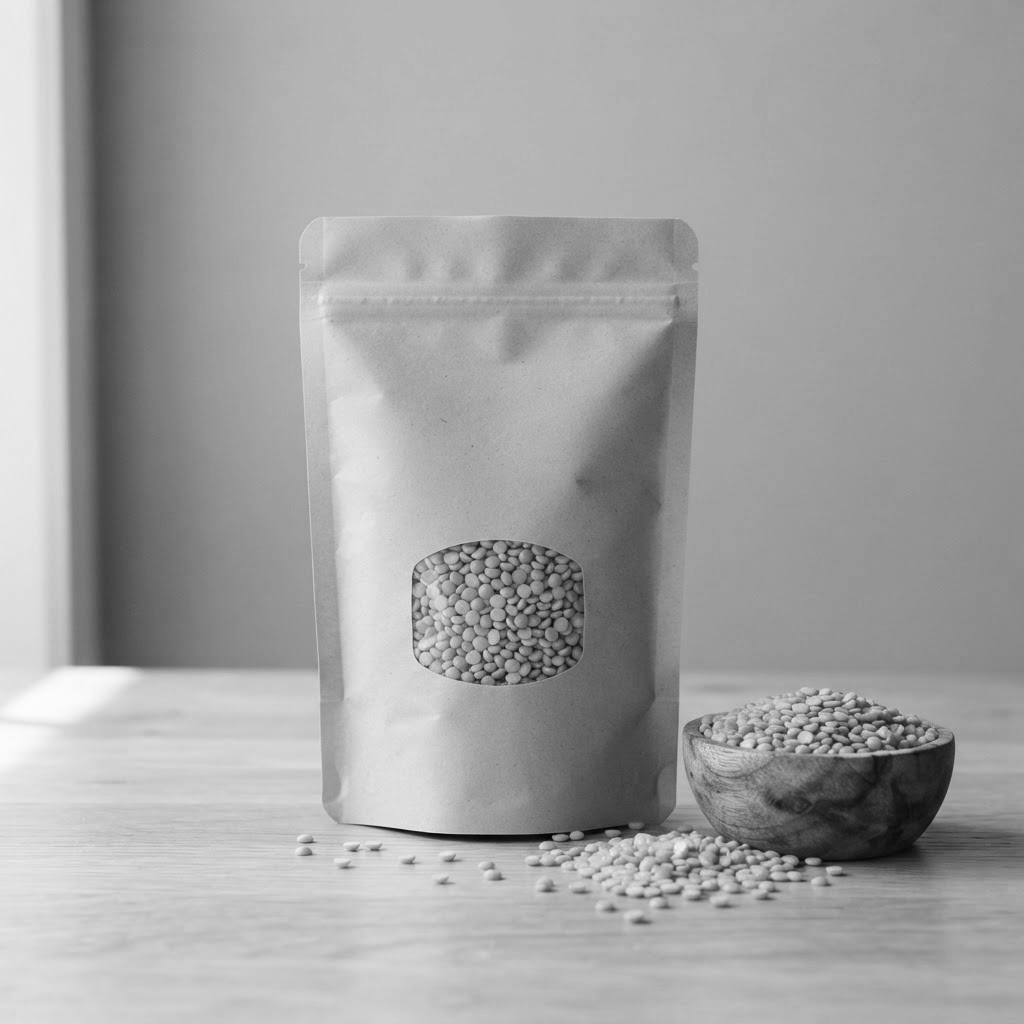
Toor dal
2 kg · unpolished
₹268 ₹320
Home
One shelf, every category certified
Oils
तेल · 18 items
Every item Nia-Certified · बिचौलिया नहीं
Sort ⌄CertifiedGroundnut oil
1 L · cold-pressed
₹210 ₹260
 Certified
Mustard oil
1 L · kachi ghani
₹180 ₹225
 Certified
Sunflower oil
5 L · refined
₹720 ₹890
 Certified
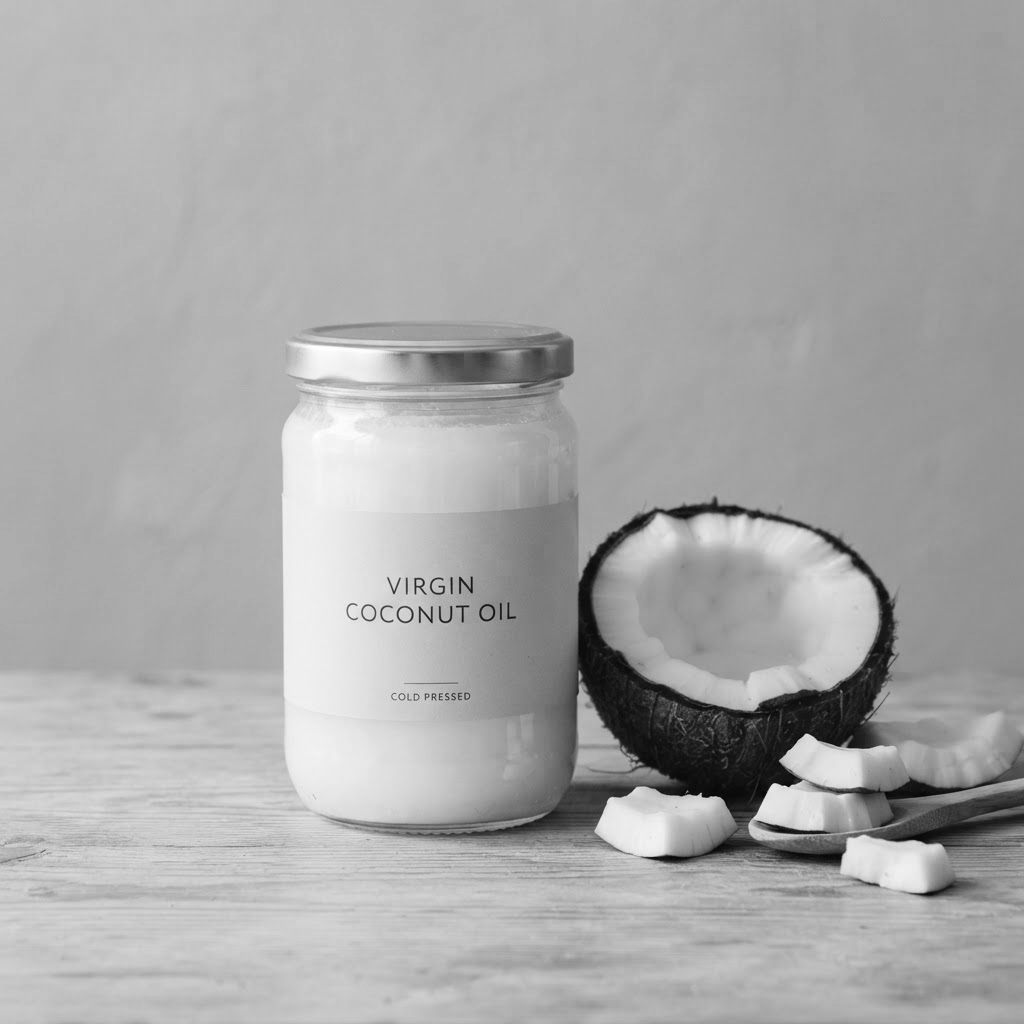
Coconut oil
500 ml · virgin
₹165 ₹205
Aisle
Priced against the local market
Cold-pressed groundnut oil
मूंगफली का तेल · 1 L
Verified for Nia Standard
Vetted against the 200-ingredient blacklist. Sourced direct from the mill, so nothing is added on the way.
Direct from Surajpur mill
Theatre North · no middleman · बिचौलिया नहीं
Why it passes
- No argemone or mineral-oil adulterant
- Pressed below 50°C, nutrients intact
- Batch-tested before it reaches your Nest
Product detail
Proof of origin on every item
Sources
References
- 1.FSN E-Commerce Ventures Ltd., Investor Presentation Q4 FY26 and Q4 FY26 earnings call transcript, May 2026.
- 2.Imagine Marketing Ltd. (boAt), Updated Draft Red Herring Prospectus, as reported by Outlook Business and Business Standard, Oct–Nov 2025.
- 3.Country Delight FY24 financials: The Arc; customer base and order volume: Entrackr, Mar 2025.
- 4.Licious FY26 results: Entrackr and Business Standard, Apr 2026.
- 5.HUL–Minimalist transaction: Entrackr, Jan 2025.
- 6.Nykaa marketing spend as % of revenue, FY26: Multibagg analysis of FY26 disclosures.
- 7.Nia operating metrics (CAC, payback, retention, member count) are internal, as of July 2026.
Nia · continuity infrastructure
Work concentrates. People follow. Commerce lives where they sleep.
To discuss the D2H thesis and Nia’s Essentials programme, make directly for the people who move the economy.