A migrant worker needs a dozen things to build a life in a new city. Nia does not sell him all of them. It organises the people who do into one membership, one standard, one record, one trust, so he deals with Nia once instead of the city a hundred times.
Independent partners deliver the services. Nia organises them into one trusted membership that travels with the worker across jobs and cities.
The member. One worker, across jobs and cities. He is the only party Nia holds a relationship with, and the reason every other party is here. One acquisition, one record that travels with him from one corridor to the next.
Nia, the organiser. Nia does not provide the services. It verifies the member, sets the standard each partner has to meet, holds the single record, and carries the trust, so the member deals with one membership instead of a dozen strangers.
RafiQi, the connecting layer. RafiQi buys better on the supply side, where scale lowers cost, and saves more on the member side, where every rupee saved reaches home. It is how both ends of the membership get a better deal at the same time.
A worker who cannot settle cannot stay. The supply side of Living has two layers: the partners who run the place, and beneath them the partners who build and fund it.
Property and Nest partners. The building itself. An owner brings a building near an industrial corridor, Nia turns it into managed Nests and runs the standard inside. The member gets a real place to stay. The owner gets occupancy underwritten by industrial demand.
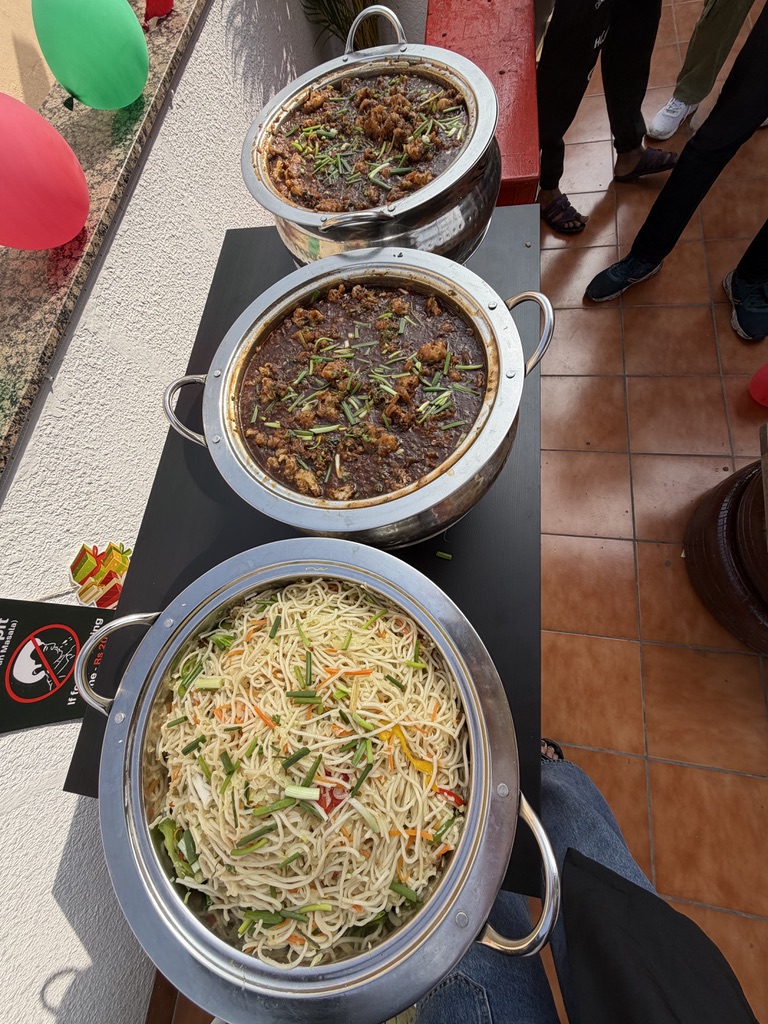
Curry, meals. Three fresh meals a day from the Studio kitchen, priced below what a member would spend feeding himself outside. Food is the most frequent thing a worker buys, which makes it the most reliable habit in the membership.
Laundry. Clean clothes, handled. One more errand removed from a twelve-hour day, and one less reason to leave.
Safety. Security and supervision. Women's blocks, gated entry, a warden on site at any hour. Safety is what lets a family back home accept that the worker has gone.
The asset and capital layer, the back end of Living
Promoters and developers. They build the physical layer, converting a building into Nests today and constructing Śram Parks from the ground up tomorrow. They put up the structure Nia operates.
Asset owners. They hold the building and its appreciation while Nia runs the service on it. The asset stays theirs. The operation is Nia's.
Capital partners. Yield investors and long-term capital fund the Nests and the Śram Parks, and earn from occupancy that industrial growth underwrites, not from the property cycle. This is the layer that scales from one building to a national footprint.
A worker who cannot progress eventually leaves.
Employers. Factories, warehouses and platforms that need a workforce already living in the corridor. They bring the jobs. Nia brings workers who are housed, verified and ready to deploy in 48 hours.
Upskilling partners. Training that moves a member into a higher-earning role. Progression is what turns a season into a career, and a career into retention.
A worker who cannot save never fully benefits from migration.
Grocery and daily goods. Everyday essentials inside the Studio at fair prices, never marked up. The member stops paying the city's premium on the things he buys most.
Healthcare. Telehealth, clinics and basic care, close enough that a sick day does not become a lost week.
Pharmacy and generics. Medicines at generic prices. Health is the cost most likely to wipe out a month of savings. Essentials is what makes it survivable.
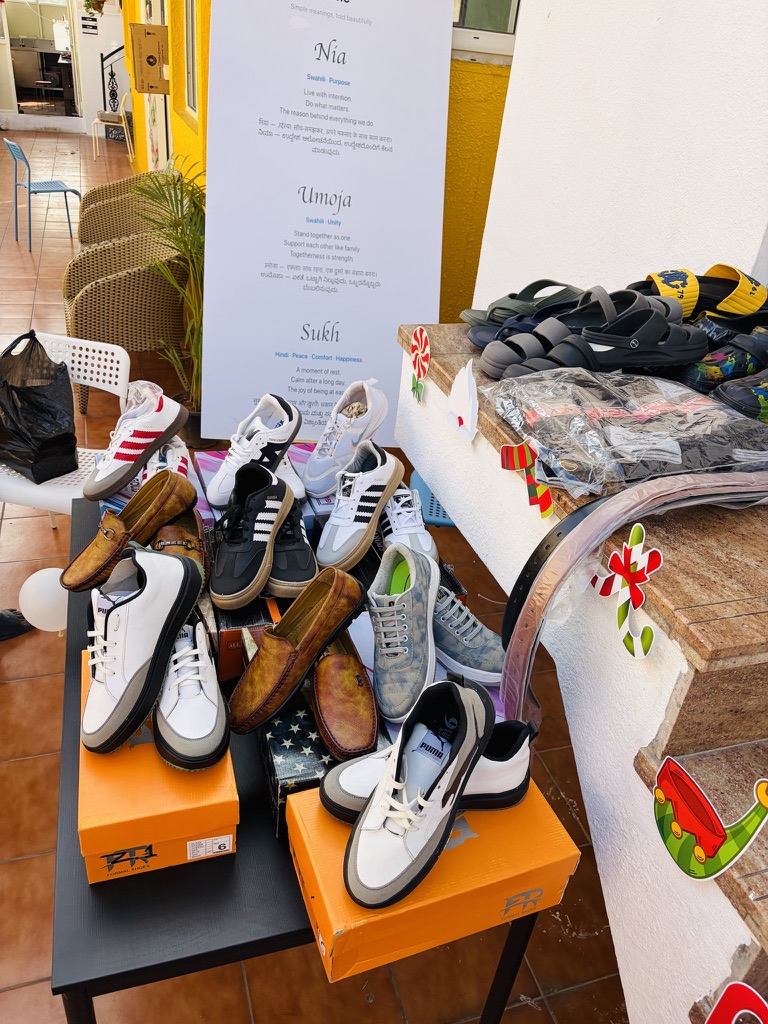
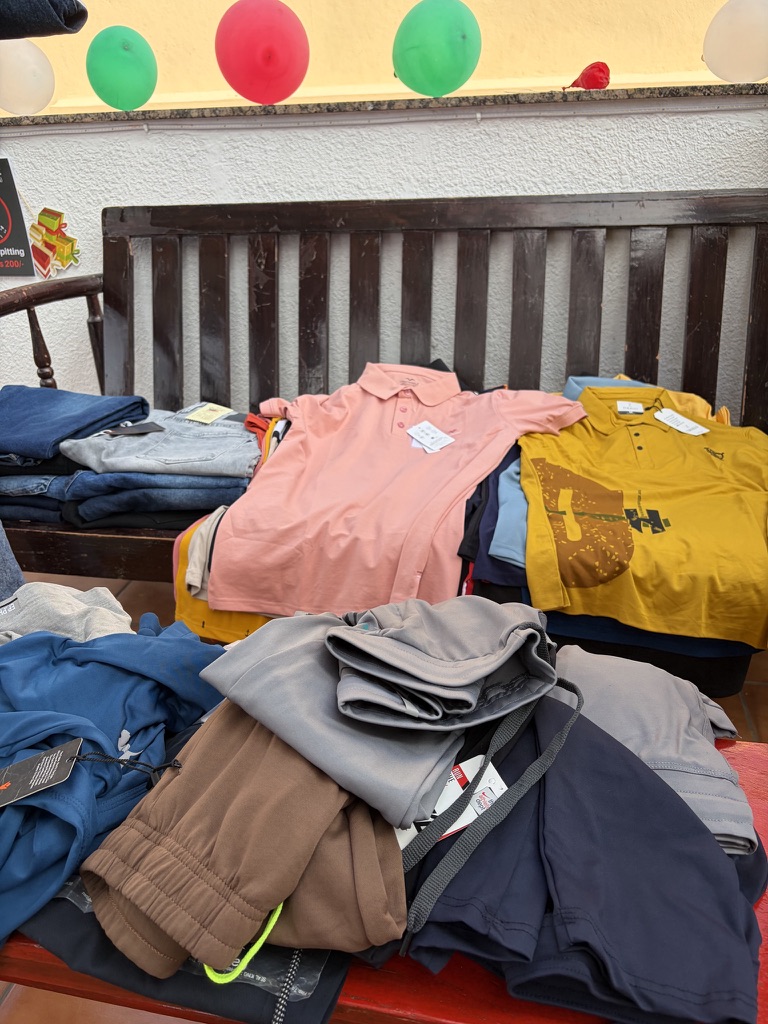
Apparel. Work clothing and personal items at fair prices, bought once and worn hard.
Savings, remittance and credit. The money layer. A way to save, to send money home without commissions eating the transfer, and to borrow without a moneylender. This is where the savings a member earns actually survive to reach his family.
That layer has two halves. Nia operates the service, the OpCo. Owners and capital build and hold the asset, the PropCo. The member never sees this line. A capital partner lives on it.
It deepens as the product does. Converting an existing building into Nests takes light capital and a single owner. Building a Śram Park from the ground up takes institutional capital and developers. The same model carries from one building to a national network of workforce parks, with demand underwritten by industrial growth rather than the property cycle.
The precedent
Student housing was once unbankable too. Purpose-built student accommodation is now institutional across the UK, the US and Australia. In 2025, Singapore took the first pure-play worker-and-student accommodation REIT public. India's organised beds are projected toward one million by 2030. Worker housing is the same arc, one step behind, with stronger demand beneath it.
If you build, own or fund buildings near an industrial corridor, this is the layer you join.
Asset partnersNia does not need to own the building, cook the meal or write the loan. It needs to own the standard, the record and the trust, and to put the right partner in front of the member at the right moment.
The member gets a life that holds together. Every partner gets demand they could not reach alone. That is the marketplace.